
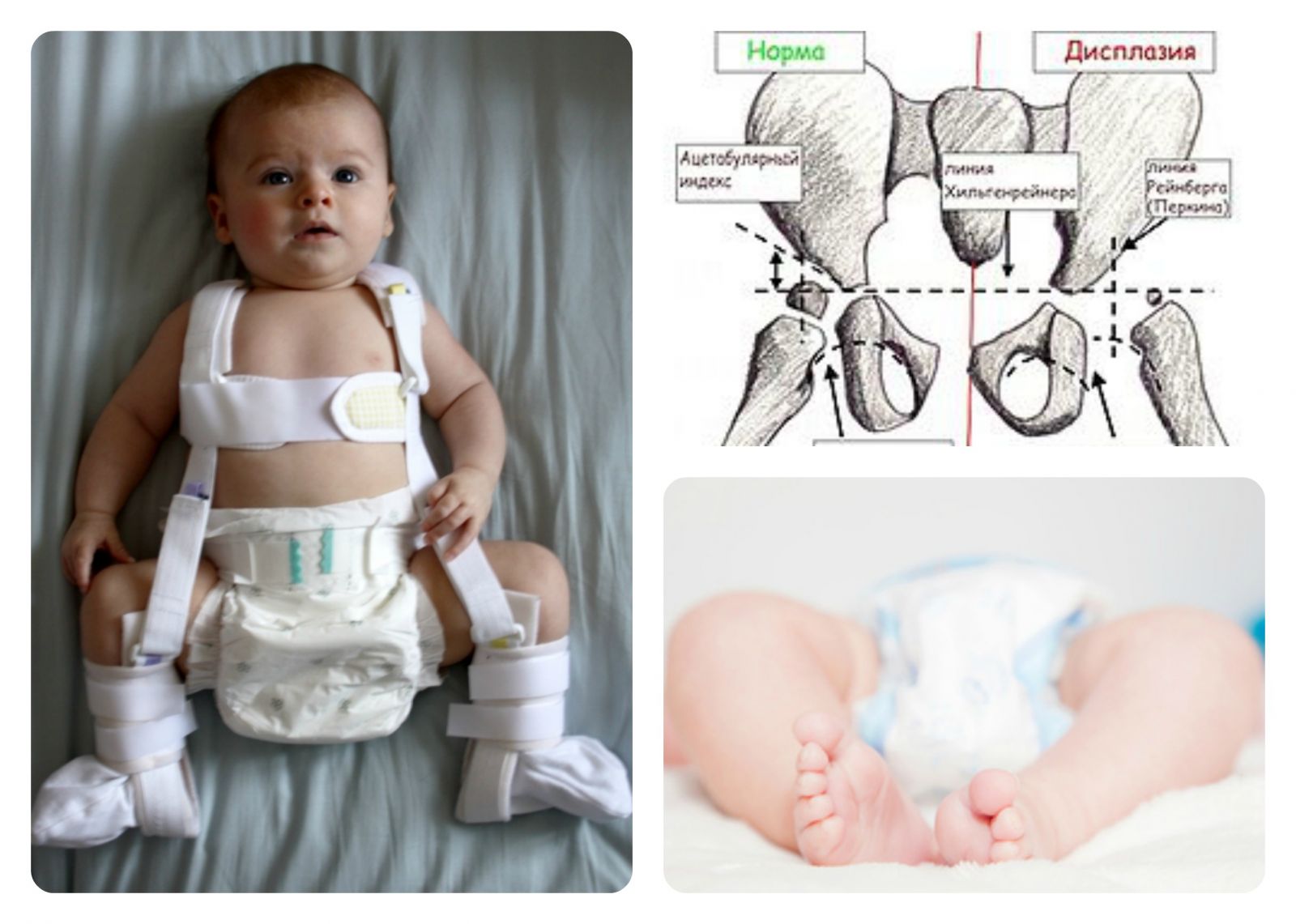
The article about why dysplasia of the hip joints occurs in children, how it is diagnosed and treated.
The content of the article
- DTBS: What is the diagnosis?
- Video: Ask the doctor. Dyplasia of the hip joint
- How is the hip dysplasia of the hip joint in newborns is detected
- How to treat hip dysplasia in infants and older children?
- Wide swaddling
- Orthopedic devices for conservative treatment of hip joint dysplasia in children
- Video: How to wear Freik Perink?
- Tire
- Strength
- Video: Pavlik
- Massage with hip joint dysplasia
- Video: Massage with hip dysplasia
- Gymnastics for hip dysplasia in children: exercise therapy
- Video: Family from A to Z Dyplasia Exercise
- Physiotherapy
- Operation
- Video: hip dysplasia - School of Dr. Komarovsky
The folds on the body of the newborn cause tenderness among mothers and grandmothers. But parents may have a reason for concern if the folds on the buttocks and hips of the baby are asymmetric.
Perhaps this is one of the symptoms of hip dysplasia (DTBS), a common corrected pathology that occurs during the intrauterine development of the child.
DTBS: What is the diagnosis?
Dyplasia of the hip joints (one or both) is a pathology of the development of these joints, which occurs during intrauterine development and continuing in the postnatal period.
The position of the femoral head in relation to the acetabulum of the pelvis is wrong. This pathology is often accompanied by a violation of the support and motor function of the leg.
Important: earlier the pathology was called "Congenital dislocation of the thigh." Now dislocation is an extreme degree of hip dysplasia
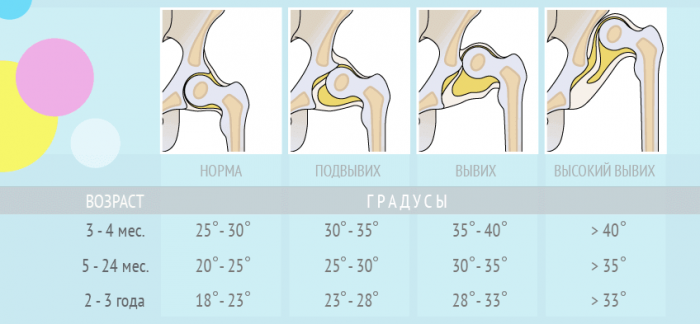
The degree of dysplasia of the hip joint.
There are three degrees of gravity of DTBS: there are three:
- Divine-the angle between the head of the femur and the hollow holl of the pelvis is wrong due to the underdevelopment of the joint, but the displacement of the limb did not occur
- Subluxation - the angle between the elements of the hip joint is also wrong, while the femoral head is partially shifted
- Dislocation-due to underdevelopment of the joint, the head of the femoral bone completely came out their swivel cavity
Depending on the severity of the developmental of the hip joint, whether the femoral bone exits the aisle of the acetabulum, the orthopedist chosen methods and methods of treatment of dysplasia.
Important: DTBS - the pathology is very common. 7 -10 newborns out of 100 have pathologies of joint development. 1 out of 100 newborns is born with a thigh dislocation
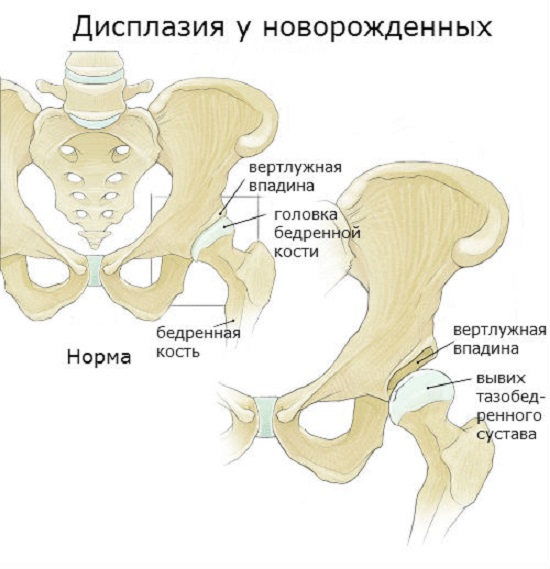
The exact reason for the underdevelopment of the hip joint in the child often remains unclear.
Despite the fact that this problem is so common and well studied by doctors and scientists, the exact causes of dysplasia could not be established. Possible prerequisites for DTBS are:
- Floor. More often this pathology is found in newborn girls
- Heredity. The predisposition to the underdevelopment of the hip joint is inherited
- Pregnancy with pathologies. DTBS is found in babies whose mothers during pregnancy survived a hormonal failure. Also a larger percentage of the birth of children with dysplasia in case
- Fibroids or uterine adhesions. These gynecological diseases in women deprive the fruit of the opportunity to move freely in the uterus
- Pelvic presentation of the fetus. In this position, the child in the uterus is limited in movement, which prevents the normal formation of the joint
- Large fruit. The reason for the underdevelopment of the joint is the same as with the pelvic presentation
- Continuity. The hip joint simply did not have time to form before the child was born if this happened ahead of schedule
Factors inhibiting the development of the hip joint in newborns after their birth are considered:
- Violations of the central nervous system. It is noted that increased intracranial pressure and hypertonicity in infants are often satellites of DTBS
- The deficiency of calcium, minerals, vitamin D. He occurs if the child is not fed incorrectly or insufficiently, they walk little with him or do not give vitamin D. dysplasia is often detected in patients with rickets of babies. Also, the cause of the lack of elements necessary for building bone and cartilage is dysbiosis, as a result of which beneficial substances are poorly absorbed
- Tight swaddling. The hip joint underdeveloped from birth can continue to develop with pathology in a baby, if it is properly swaddling. Doctors urge young parents to abandon tight swaddling. It is proved that in babies whose body movements were constrained in this way, dysplasia is detected much more often than in those whose swaddling free or did not swing at all
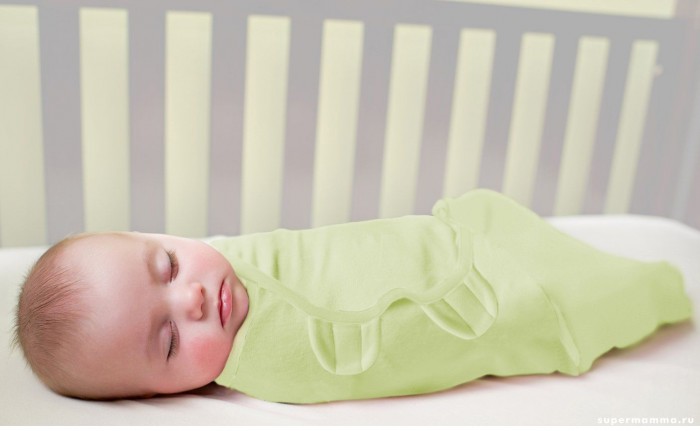
Tight swaddling is one of the possible causes of dysplasia.
Video: Ask the doctor. Dyplasia of the hip joint
How is the hip dysplasia of the hip joint in newborns is detected
Usually, DTBS is diagnosed in a child up to a year (immediately in the hospital, when going to the clinic of 1, 3 or 6 months). If the pathology is detected later, its correction becomes more complicated and takes more time.
Parents of the newborn should know the signs of dysplasia so as not to miss them during regular care of the baby. The orthopedist should be addressed immediately if:
- the baby has different legs in length
- there is an extra fold on one of the buttocks or legs
- folds on the buttocks or legs are located asymmetrically
- there is a limited mobility of one or both legs (with healthy hip joints, the legs of the baby bent at the knees are touched by the table)
- when bending the legs to the knees and their breeding, a click is heard (Impt Marx-Ortolani)
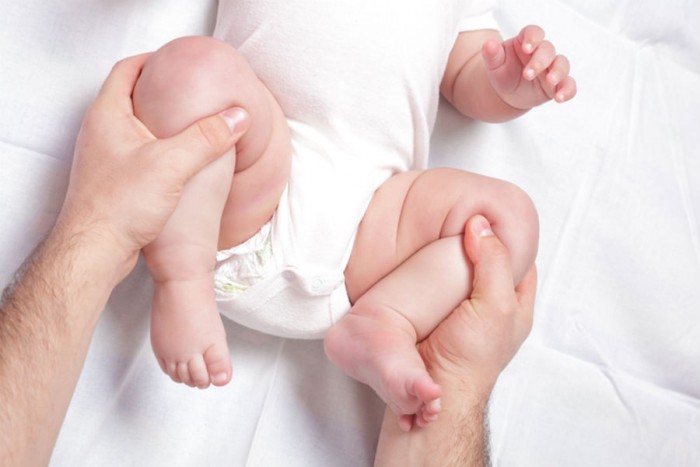
With dysplasia of the hip joint, the legs of the child are not completely divorced.
Important: even if the child has everything from the above signs of DTBS, the orthopedist does not have the right to diagnose without the results of objective examination methods - an X -ray or ultrasound of the hip joints of the baby
- When the parents of the child up to a year, who is suggested by DTBS, indicate that he needs to make an X -ray or ultrasound, mothers and dads choose the latter. They do not want their baby to be "irradiated." However, 20 years ago, this development pathology was identified only by such a method
- Even now, when medical technologies are so developed, many children's orthopedists consider an X -ray study of the hip joints more objective than ultrasound. After all, in a child they can find a pathology that is not actually, or skip the existing if the doctor, the uzist, set the sensor at an irregular angle or incorrectly deciphers what he saw on the monitor
- Experts say that the microscopic dose of X -ray - rays causes the baby much less harm than missed dysplasia
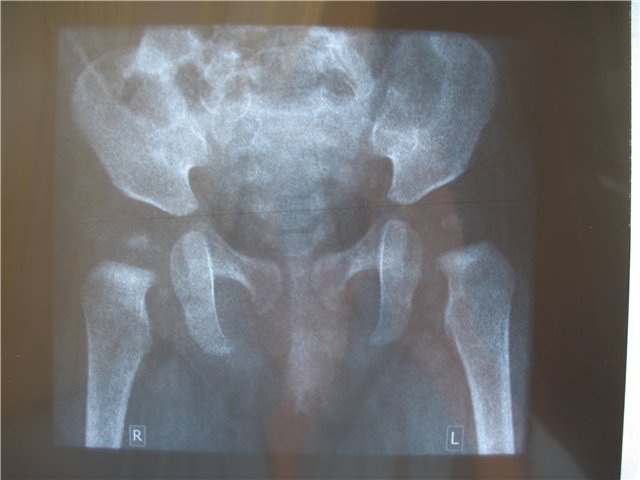
Dyplasia on X -ray.
Other experts consider the radiological study of the hip joint of the child up to a year uninformative, since the X -ray is not visible on the cartilage (and the joint in the baby consists mainly of them). They diagnose DTBS only on the basis of ultrasound results.
Important: in the countries of Western Europe and the United States, absolutely all newborn in the hospital, they make diagnostic ultrasound in order to identify DTBS. In our country, such a practice is not so widespread. Most often, those babies who have external signs of dysplasia are examined
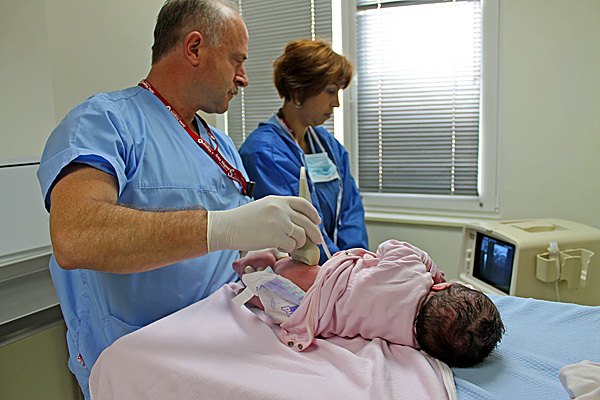
Ultrasound is another method for diagnosing DTBS.
How to treat hip dysplasia in infants and older children?
From some parents you can hear that dysplasia of the hip joint in the newborn can pass by itself. Like, the underdeveloped joint will develop. They only have a minimum percentage of innocence.
There is a probability of 50 to 50 that dysplasia will pass by itself if:
- it is detected in a newborn
- this is a bias
- the angle of the roof of the joint is minimal
- there are no postnatal factors inhibiting the development of the joint
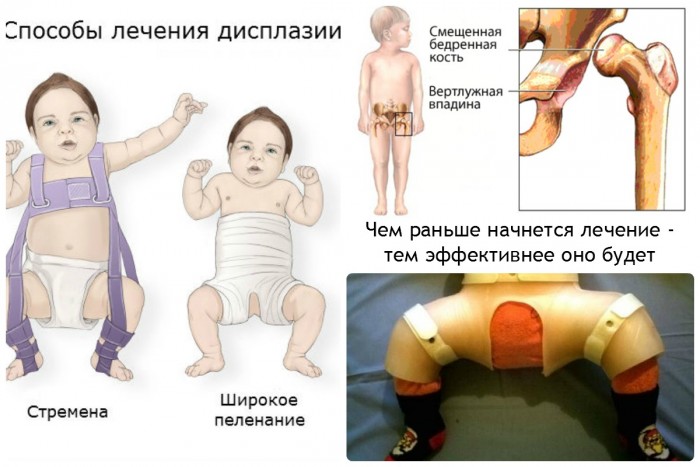
Treatment of DTBS.
In the absence of treatment, the consequences for the child can be very sad:
- the biases passes into subluxation, subluxation - into dislocation
- children with dysplasia can start walking later
- they can walk on socks or diving "duck gait"
- they can limp or clubfoot
- in children with untreated dysplasia, problems with the spine more often occur
- kids with DTBS cannot receive the same physical activity as their peers, that is, go to physical education, do dancing, sports, so on
- the pathological joint may collapse over time
IMPORTANT: Unbearable in childhood dysplasia of the hip joints can cause early human disability
- Therefore, it is better not to rely on at random and clearly fulfill the appointments of an orthopedic doctor.
Therapy for DTBS depends on what degree of severity the disease, how undergoing the joint, what is the age of the child - Treatment can be conservative and operational
- The purpose of treatment with the bondage is to contribute to the development of the hip joint
- The purpose of treatment with subluxation and dislocation is to return the femoral head to the right place and contribute to the speedy joint development of
Important: treatment of dysplasia can take weeks, months and years. It is difficult for the child and his parents. But mom and dad should be sure that they act in the benefit of the baby's health
With any degree of severity of dysplasia, the doctor gives the parents of the child the following recommendations:
- do not put the baby on the legs and do not sit it until the problem is solved
- if the child is already walking, do not let him do it
- engage in medical and preventive gymnastics with the child (parents can do the exercises, but they must first advise a specialist)
- provide the child massage courses
- correctly apply orthopedic devices if there is a need for this
- give the baby vitamins, calcium preparations and vitamin D
- treat diseases of the nervous system or dysbiosis if dysplasia could occur due to their reason
Mom and dad should make the child be in the position of the frog longer, with his knees bent at the knees and legs diluted in the hips. For example, wear it on the hip, in a sling or an ergo-rugzak.
Wide swaddling
- Swinging with unfolded legs is a way of preventing dysplasia and the treatment of bondage. It is appointed to children who have problems with the hip joint have been identified in the hospital
- The pose with deployed hips is physiological for the baby. It is interesting that in the countries of Africa and Asia, where women wear children on their side or back, tied with tissue, with the problem of dysplasia are practically not familiar
- For wide swaddling, in addition to standard diapers, you will need a section of dense fabric
- Swimming baby can be in a diapers or without it
- The baby's legs are bent at the knees, after his hip is diluted
- A folded strip fabric is placed between the baby's legs along his hips
- Swaddle a child with a upper diaper
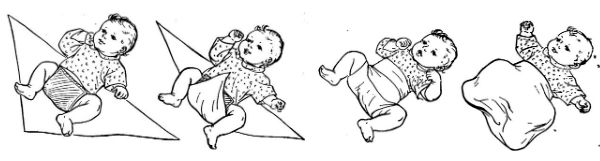
Wide swaddling.
Orthopedic devices for conservative treatment of hip joint dysplasia in children
Children up to a year of bones are very flexible. The fact is that they are almost half of the ostein protein, while the rest is in minerals. At the same time, in an adult, ostein and minerals correspond to 1 to 3.
Therefore, bones and joints in children are subject to deformation. If a pathology was in the hip joint of the child from birth, as it grows, it will be aggravated.
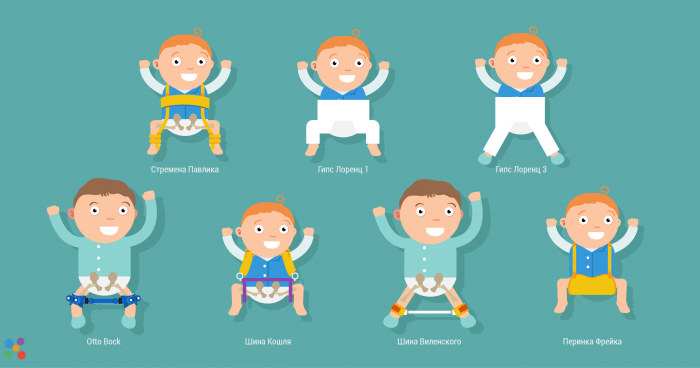
Orthopedic devices for conservative treatment of hip dysplasia in children.
Doctors need to take measures to centrize the femur in the joint and “build up” its roof. They call this treatment for a forced position. Various devices can be used for him:
- perink (pillow) Freik
- removing pants
- vilensky's diverting tire
- the removal of the tire of the koshl
- the diverting Shina Mirzoeva
- the diverting tire of Volkova
- pavlik’s stirrup
- the apparatus of Vnesky
The device selects and puts it on the child only a orthopedic doctor. He teaches parents how to care for a child in a device, how to remove him for hygiene or physiotherapy. At subsequent tricks, the doctor can adjust the size of the device if the child has grown.
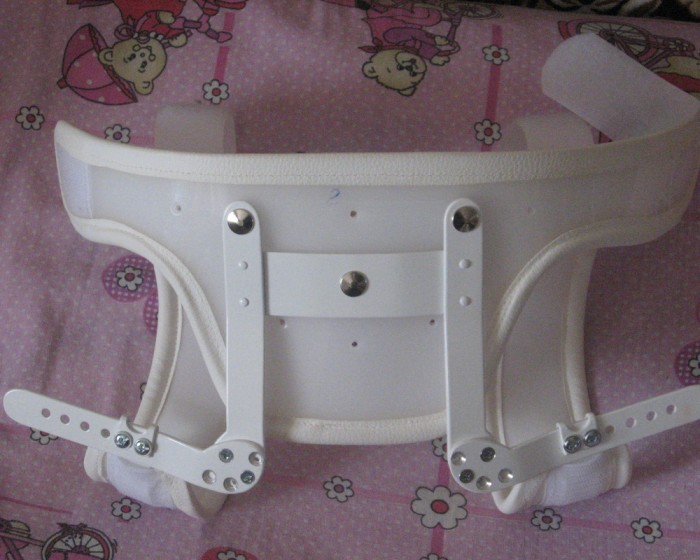
The apparatus of Vnesky.
- Usually, the child wears devices around the clock. The doctor allows them to shoot them only for the duration of bathing, massage, gymnastics or physiotherapy
- If dysplasia is very easily expressed or is at the final stage of treatment, an orthopedist can give good to the tire, perinea or stirrup on the baby only during his sleep
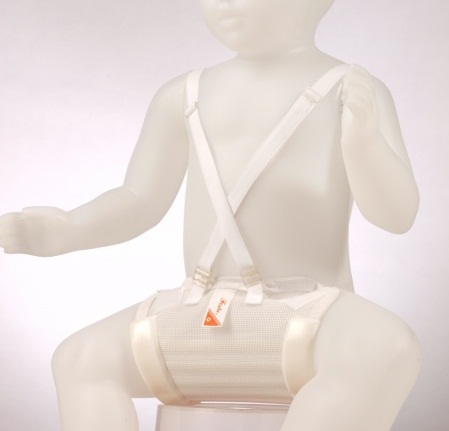
Perink Freik.
- In 8 cases, out of 10 3-6 months of wearing such orthopedic devices, it is enough for the femoral head to recover, and the hip joint develops
- The doctor sees this on a control ultrasound or x -ray. If this does not happen, the doctor can extend the treatment or prescribe a new
- Sometimes you have to apply gypsum. This happens, usually when a child with dysplasia for more than 6 months
VIDEO: How to wear Freik Perink?
Tire
As indicated above, there are several types of tires that are dressed for children with DTBS.
- Vilensky tire. It happens in three sizes: for 3-4 months of a child, for a child from 4 to 12 months, per child from year. They wear it from 4 to 9 months. The device does not prevent the baby from turning over, sit and crawl. He is allowed to walk after removing it
- The tire of the koshl. This functional orthopedic device is intended for the centralization of the femoral head. A child in the bus can freely carry out movements in the hip joint. You can carry out the baby hygiene without removing the device. The tire of the span is in one size, the orthopedist can put it on a child aged 1 month
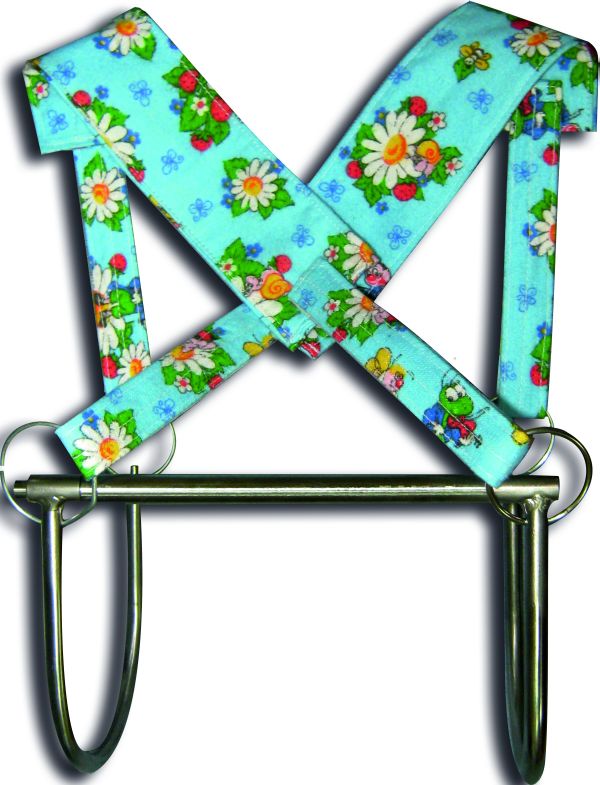
The tire of the koshl.
- Shina Mirzoeva. Many doctors consider it to be the most effective. But it happens that this tire does not suit children, as it provokes pain, leads to impaired blood circulations in the legs, their numbness
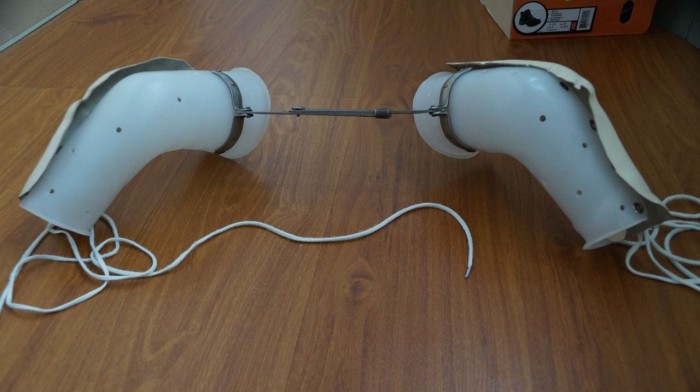
Shina Mirzoeva.
- Shina Volkova. It repeats the gypsum bandage for dysplasia, but made of plastic. Consists of a “crib”, which fixes the legs of the child and the lids that can be removed during the hygiene of the child
Strength
Special aspirations developed by Arnold Pavlik back in the 50s of the last century partially limit the movement of the baby's legs. The head of the femur is forced to deliver, and the roof of the joint will grow.
Pavlik’s stirrup are considered the most gentle device for correcting dysplasia of the hip joint in young children, since:
- they are not hard
- allow the baby hygiene
- allow you to change diapers
- allow the ultrasound
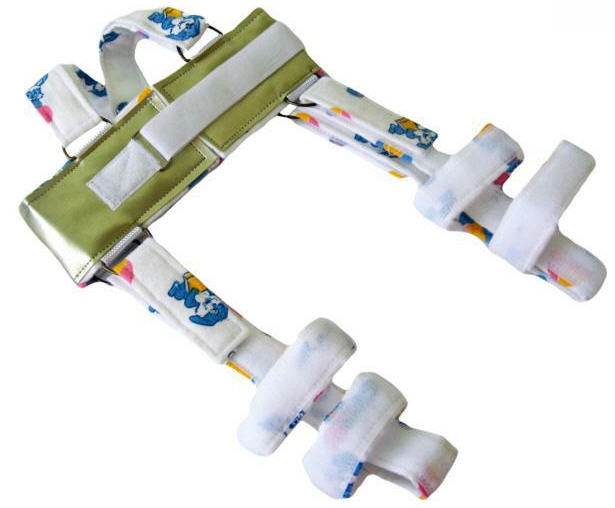
Pavlik’s stirrup.
At the same time, complications of wearing Pavlik stirrups in the form are observed:
- fillet bone head necrosis
- thigh deformations
- damage to the femoral nerve
- damage to the shoulder plexus
These complications occur due to the fact that the wrong size is selected, or they are dressed incorrectly.
Important: to wear the stirrup of Pavlik on a child with a DTBS should an orthopedic doctor. Further, every week or two he must control the small patient, check the correctness of the stirrup belts, as the child grows, adjust them
As a rule, in the stirrups of Pavlik, the child is 8 - 12 weeks. In this case, there should be progress in the healing of dysplasia. If it is not within 4-6 weeks, the stirrups are canceled as ineffective and even dangerous.
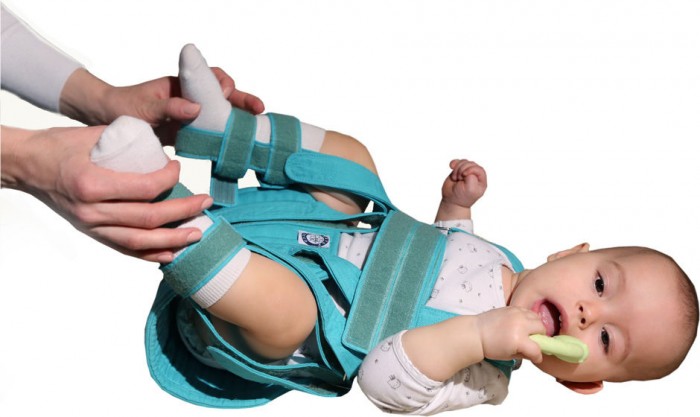
A child in the stirrups of Pavlik.
VIDEO: Pavlik’s stirrup
Massage with hip joint dysplasia
Simultaneously with the treatment of a forced position, the orthopedist recommends the child with DTBS massage. As a rule, it is generally strengthening, with an emphasis on his feet.
Important: do not need to believe manual therapists, who claim that they cured dysplasia in tens and hundreds of children with massage. Either this is a frank lies, or in these children, dysplasia was very weakly expressed, or they did not have it at all. Massage is an additional, but not the main part of the treatment of this disease
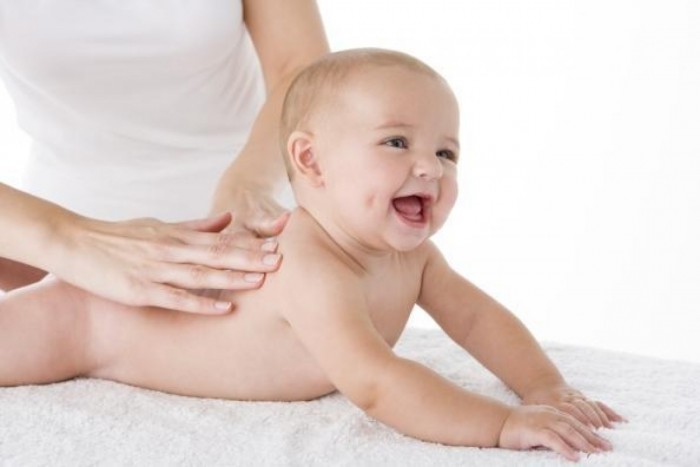
Massage is shown to children with dysplasia.
Massage, both a general strengthening and with DTBS, parents can do the child themselves. But it is recommended to entrust at least the first few sessions to a professional children's masseur.
Massage goals at DTBS:
- improve blood circulation in muscle tissue, which will contribute to the development of hip joints
- relax the muscles of the limbs
- strengthen the back and limbs muscles
- improve the child in general
Massage is carried out once a day. You can do it in the morning or in the evening, when the child is fed, but not for a full stomach. After a course of 10-15 procedures, you need to take a break within a month, after which you can take a second course.
Video: Massage with hip dysplasia
Gymnastics for hip dysplasia in children: exercise therapy
The exercises of physiotherapy exercises in dysplasia in young children should also be shown by a specialist. As a rule, if the child makes a professional master, he also does gymnastics with him.
But one -time performance of exercises per day is not enough. If the baby’s parents are taken for business, they must comply with some rules:
- Gymnastics must be done on a hard surface - a changing table or a regular table covered with two soft diapers
- With DTBS, vertical exercises with a support on their feet or knees with a child are not done
- Exercises with the baby are performed 3-5 times a day for 5-20 repetitions for 2-3 months
- Gymnastics is better to deal with before feeding the child
- If the child cries during gymnastics, the lesson should be interrupted, reassured the child, and then continue to perform exercises
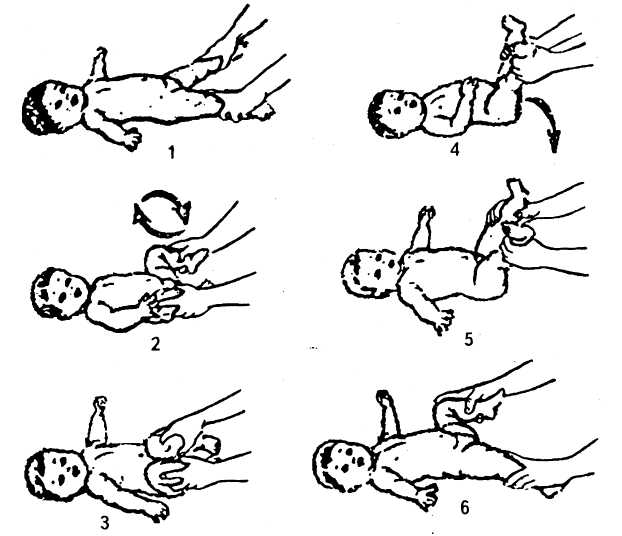
Examples of exercises of exercise therapy for hip dysplasia.
Exercises are recommended for dysplasia:
- bike
- logging the legs in the knees
- flexion and extension of the legs at the same time or alternately
- twisting
- rotation of the hips inside
Fitball exercises are also effective.
Video: Family from A to Z Dyplasia Exercise
Physiotherapy
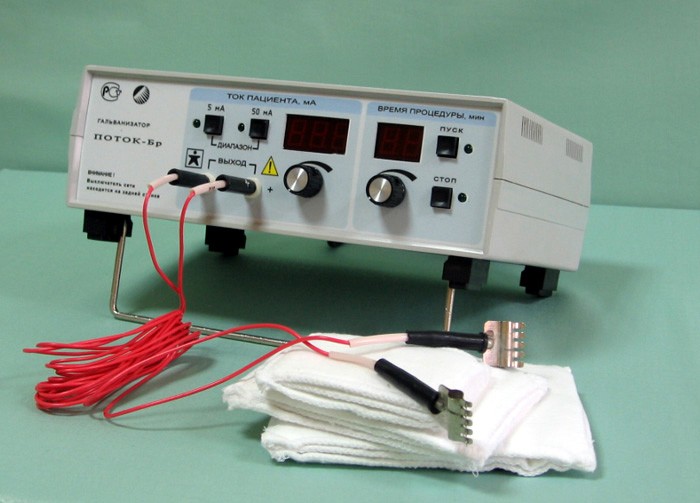
Electrophoresis is a physiotherapeutic method for treating DTBS.
Physiotherapeutic methods are successfully used for the treatment of DTBS in children:
- Electrophoresis with calcium, phosphorus and iodine. Electrodes with linen bags impregnated with medicinal substance are applied to the projection of the hip joints. Under the influence of weak electric current, beneficial substances penetrate directly into the joints. As a rule, the procedure is carried out in a hospital hospital, in the physiotherapy room of the clinic or at the house of a child in a course of 10-15 procedures
- Applications with ozokerite. Ozokerite is a complex substance, the components of which are paraffin, resins, mineral oils, hydrogen sulfide, carbon dioxide. If it is heated to 40 - 45 degrees, it acquires the ability to improve blood circulation, so that tissues of the hip joint begin to receive more intense nutrition and grow faster
- UFO-therapy. Affects the hip joints of the child in the same way as applications with ozokerite
Operation
Usually, the operation, or the open reduction of the innate dislocation of the thigh, is shown to children from 5 years old. But there are times when none of the methods of conservative treatment of DTBS is only triggered with a three -month tan.
Open reduction is carried out in this way:
- the child is given general anesthesia
- the doctor makes an incision of soft tissues in the hip joint
- the division of the joint capsule is made
- the femoral head returns to the correct position
- the roof of the joint is “cut” to keep the head of the femur
- after the end of the operation, the child wears 14-21 days
Sometimes during the operation it becomes necessary to cut the femoral bone itself so that it does not come out of the joint.